Separation Anxiety in Puppies
A complete, breed-specific guide to understanding, preventing, and treating separation anxiety in small breed puppies — including Teacup Yorkies, Toy Poodles, Chihuahuas, and Dachshunds.
Understanding Separation Anxiety in Small Breed Puppies
Bringing home a new puppy is one of life's greatest joys. But for many new owners, those first few weeks can be challenging — especially when your puppy struggles with being left alone.
Separation anxiety is estimated to affect around 14% of dogs and occurs when a puppy becomes extremely anxious and shows distress behaviors when left alone or separated from the person to whom they are most attached. For small breed puppies, this issue is even more common — research shows that small breed dogs such as Chihuahuas, Dachshunds, Toy Poodles, and Yorkshire Terriers are more reactive to separation tests than larger breeds.
This guide covers everything you need to know about separation anxiety in puppies, with specific advice tailored to the breeds we raise: Teacup Yorkies, Toy Poodles, Chihuahuas, and Dachshunds.
What Is Separation Anxiety?
Understanding the difference between normal puppy distress and true separation anxiety.
It's a Panic Disorder
Separation anxiety is not simply your puppy "acting out" or being naughty. It is a genuine panic disorder where your puppy's brain goes into "fight or flight" mode when left alone. During this state, your puppy is not being spiteful or trying to punish you — they are experiencing real fear and distress.
Normal vs. Abnormal
Some distress when first left alone is normal for a young puppy. Puppies cry when left alone the first few nights. However, true separation anxiety goes beyond normal adjustment periods and involves extreme, persistent distress that doesn't improve with time alone.
Important: Some dogs appear to have separation anxiety but are actually afraid to be home alone because something bad has happened to them while alone (e.g., storms, fireworks).
Why Small Breeds Are More Prone
Small breed dogs are significantly more likely to develop separation anxiety than larger breeds.
Bred for Companionship
Small breeds were historically bred as lap dogs and companions, creating a genetic predisposition for strong attachment.
Over-Attachment
Small dogs are often carried, held, and kept close, which can prevent them from learning independence.
Lack of Independence
Being constantly with their owners means they never learn to cope with alone time.
Heightened Sensitivity
Small breeds are often more sensitive to changes in routine and environment.
The breeds we specialize in — Teacup Yorkies, Toy Poodles, Chihuahuas, and Dachshunds — are all on the list of breeds most prone to separation anxiety.
Breed-Specific Insights
Each breed has unique traits that influence how they experience and express separation anxiety.
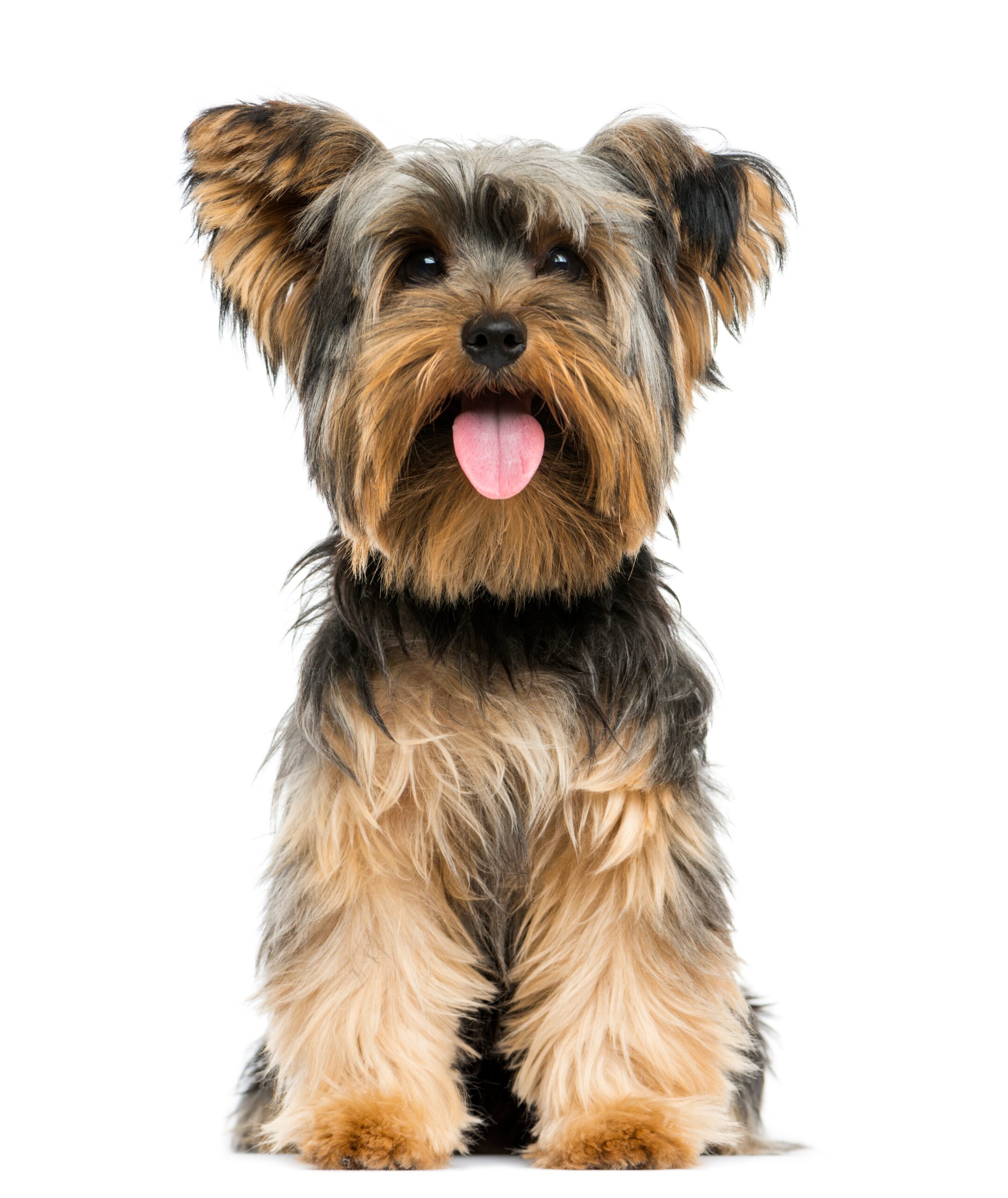
Teacup Yorkies
Highly Attached · SensitiveTeacup Yorkies are known for their affectionate nature and spirited zest for life. They thrive on interaction and can develop separation anxiety if left alone for too long. Being lovable and affectionate, they tend to grow very attached to their human companions.
Key trait: Can become possessive of their owner and are prone to excessive shaking when anxious.
View Teacup Yorkies for sale →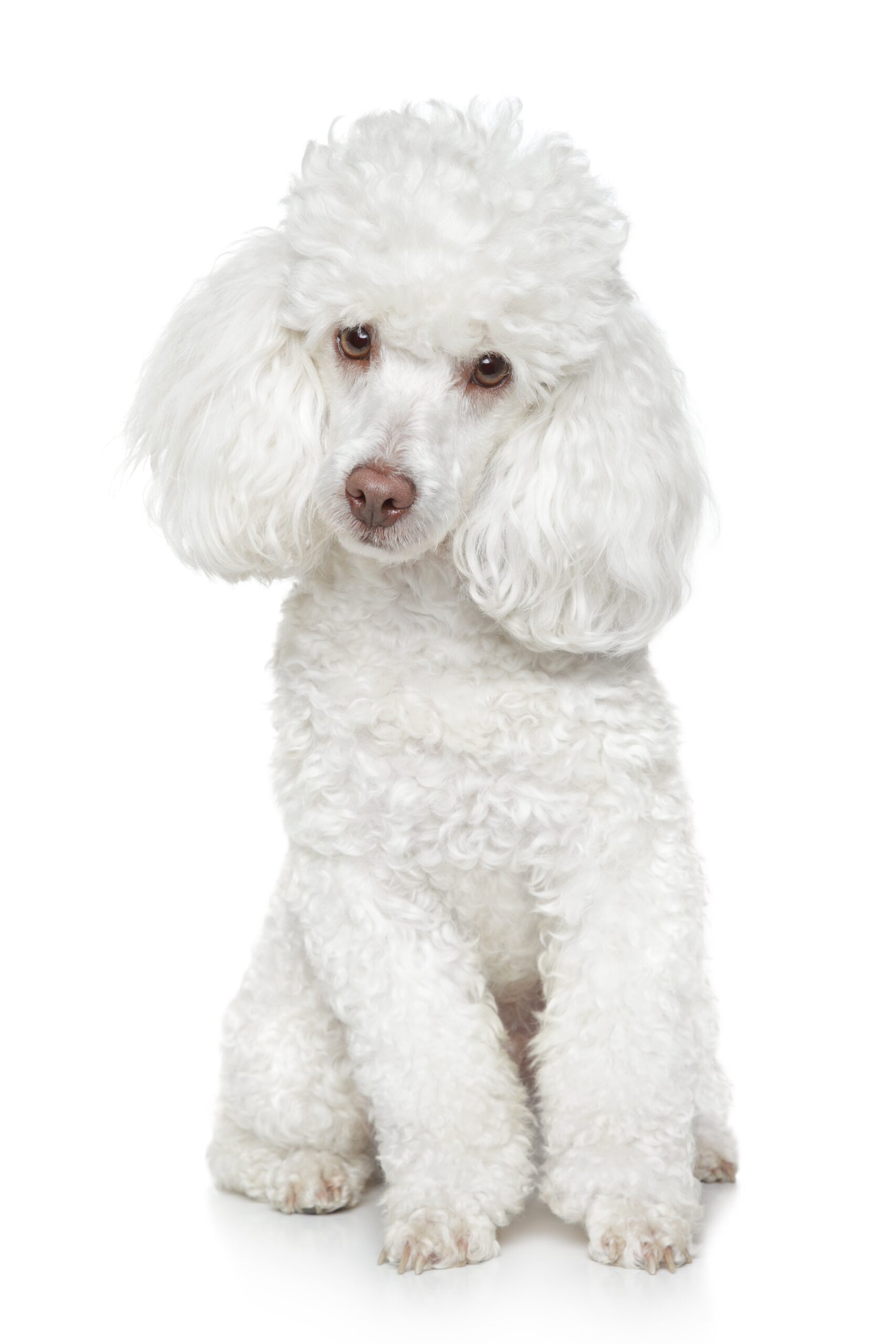
Toy Poodles
Velcro Dogs · IntelligentToy Poodles are described as "velcro dogs" who are prone to separation anxiety. They are highly intelligent, sensitive, and form deep bonds with their owners. Their intelligence means they can become easily bored, which can compound anxiety issues.
Key trait: Need both physical and mental exercise — a bored Toy Poodle will focus on your absence.
View Toy Poodles for sale →
Chihuahuas
Fiercely Loyal · PossessiveChihuahuas are one of the smallest breeds with the biggest personalities. They are fiercely loyal to their owners and can be possessive and anxious when separated. They are known for their "spicy" personalities and can be stubborn, which can make training a challenge.
Key trait: Prone to excessive shaking when anxious; need patience and consistent training.
View Chihuahua puppies for sale →
Dachshunds
Highly Bonded · StubbornDachshunds are highly bonded with their humans and often become anxious when separated from their owners. They are clever, curious, and famously stubborn. Their independent nature means they can be challenging to train, but their attachment to their families is undeniable.
Key trait: A good majority of Dachshunds have issues with separation anxiety — early prevention is key.
View Dachshund puppies for sale →Symptoms of Separation Anxiety
Recognizing the signs early is key to effective intervention.
Excessive Vocalization
Persistent barking, howling, or whining shortly after you leave
Destructive Behavior
Chewing furniture, scratching doors, destroying household items
Pacing & Restlessness
Inability to settle or relax when left alone; constant pacing
House Soiling
Accidents even if the puppy is otherwise housebroken — specifically when left alone
Physical Signs
Excessive shaking, salivating, drooling, or vomiting when left alone
Pre-Departure & Return Anxiety
Frantic behavior before you leave; extreme excitement or distress upon return
Note: Excessive shaking is especially common in Yorkies and Chihuahuas, while howling is often seen in Dachshunds.
Preventing Separation Anxiety
Building a confident, independent puppy starts early. Here's how to set your puppy up for success.
Start Early with Alone Time
From the very beginning, ensure that puppies have scheduled times where they learn to spend time alone in their own crates or beds. If you move things along too quickly, young dogs may develop separation anxiety.
Establish a Consistent Routine
Dogs thrive on routine. Set up a consistent schedule for feeding, walks, potty breaks, and crate time. Knowing when to expect exercise, playtime, and meals can ease anxiety and boost confidence.
Create Firm Boundaries
If they are always held or coddled, you are creating a dog that is terrified to be alone. Just like children, dogs expect and thrive on predictability and structure through a standard daily routine.
Practice "Supervised Separation"
Teach your puppy there are times when you need to leave and there is no need to panic. Start with very short departures and gradually increase the time.
Use a Crate as a Safe Space
When used correctly, dogs will consider crates a safe place. Start by introducing your puppy to its crate for short periods while you are present, slowly increasing how long your pet spends in its crate.
⚠️ Important: For dogs with true separation anxiety, the crate alone is not a solution and can actually make the anxiety worse. If your dog shows frantic behavior in the crate, do not confine them to it.
Exercise & Mental Stimulation
A nice long walk with lots of sniffing ("sniffari"), interactive play, and calming enrichment such as a snuffle mat will go a long way toward creating a calm stress-free baseline.
Treating Separation Anxiety
If your puppy is already struggling, don't despair. With patience and consistency, most cases can be successfully managed.
Gradual Desensitization
Practice desensitization by showing your puppy cues like grabbing your keys or jacket but don't actually leave. Start small:
✓ Pick up your keys, then put them down without leaving
✓ Put on your coat, then take it off
✓ Step outside the door for 1 second, then come back
✓ Gradually increase the time you are away
Counter-Conditioning
The most successful treatment for separation-related problems is behavior modification that focuses on systematic desensitization and counterconditioning — changing your puppy's emotional response to being alone from fear to calm.
Provide Distractions
Chew toys, food puzzles, walks, training, and interactive play can help manage boredom and stress-induced licking. Special toys or treats that only come out when you're gone can keep their brain busy.
Consider Calming Aids
Supplemental therapies like pheromone diffusers or anxiety wraps may benefit dogs experiencing separation anxiety. Natural products like CBD or valerian might bring your dog relief, or at least smooth the way during your training program.
When to See a Veterinarian
For severe cases, behavior modification plans may need to be combined with veterinarian-prescribed medication. Some vets recommend medication such as amitriptyline or alprazolam. The opportunity to consider medication is there for every dog with separation anxiety for whom the owners do need to leave that dog home alone.
Seek professional help if:
✓ Your puppy's anxiety is severe and not improving with training
✓ Your puppy is injuring themselves (self-mutilation)
✓ Your puppy is destroying property to the point of danger
✓ Your puppy is showing signs of extreme distress (salivating, vomiting)
Key Takeaways
A quick reference guide for what to do and what to avoid.
✅ What to Do
- Start alone-time training early
- Establish a consistent routine
- Exercise and mentally stimulate your puppy
- Practice gradual departures
- Use positive reinforcement
- Consult your veterinarian for severe cases
❌ What to Avoid
- Leaving your puppy alone for long periods without training
- Making a big fuss when leaving or returning
- Using the crate as punishment
- Confining a panicking puppy to a crate
- Punishing anxiety-based behaviors
- Ignoring the problem hoping it will go away
Frequently Asked Questions
Ready to Welcome a Small Breed Puppy?
Now that you understand separation anxiety and how to prevent it, are you ready to welcome a Teacup Yorkie, Toy Poodle, Chihuahua, or Dachshund into your family? At Maryland Pocket Puppies, our puppies are raised with love, vet-checked, and health-guaranteed.
Have Questions About Your Puppy's Behavior?
Reach out to our team for guidance and support. We're here to help you and your puppy thrive.
📧 Contact Maryland Pocket Puppies