Puppy Grooming Basics
A complete guide to grooming your small breed puppy. Learn how to groom a puppy with breed-specific tips for Teacup Yorkies, Toy Poodles, Chihuahuas, and Dachshunds — from Maryland Pocket Puppies.
Why Grooming Matters for Small Breed Puppies
Bringing home a new puppy from Maryland Pocket Puppies is an exciting milestone. But beyond the cuddles and playtime, there's one essential skill every new owner needs to master: puppy grooming basics.
Grooming is about more than just keeping your puppy looking cute. It's about their health, comfort, and well-being. Regular grooming prevents matting, reduces shedding, keeps their skin healthy, and allows you to spot potential health issues early. For small breed puppies — especially Teacup Yorkies, Toy Poodles, Chihuahuas, and Dachshunds — grooming is even more important. Their unique coats, skin sensitivities, and delicate bodies require special care and attention.
This guide covers everything you need to know about how to groom a puppy, with breed-specific insights for the breeds we specialize in at Maryland Pocket Puppies. Whether you're learning how to groom a small breed puppy for the first time or looking to improve your routine, we've got you covered.
Health Benefits
Prevents matting & infections
Bonding
Builds trust & positive handling
Early Detection
Spot lumps, bumps, parasites
Comfort
Prevents painful mats & tangles
🐾 Maryland Pocket Puppies Tip: At Maryland Pocket Puppies, we start introducing our puppies to gentle grooming during their first 8-10 weeks with us. But the real work begins when you bring your puppy home. Start slowly, use positive reinforcement, and make grooming a positive experience.
Essential Puppy Grooming Tools
Before you begin, gather the right tools. Using the wrong tools can damage your puppy's delicate coat or make grooming uncomfortable.
Pin Brush
Daily brushing and fluffing. Choose one without balls on the tips to prevent pulling.
Slicker Brush
Removing tangles and mats. Fine wires work through delicate hair.
Metal-toothed Comb
Detangling and checking for mats. Essential for line-brushing and finishing.
Rounded-tip Scissors
Trimming around eyes, ears, and paws. Prevents accidental nicks on sensitive areas.
Small Breed Nail Clippers
Nail maintenance. Choose clippers designed for small breeds.
Puppy Shampoo & Conditioner
Gentle bathing. Choose tear-free, puppy-safe formula.
💡 Pro Tip: Introduce new tools slowly. Let your puppy sniff and investigate each tool before using it. This reduces fear and makes grooming sessions more pleasant.
Step-by-Step Puppy Grooming Guide
Follow these steps to keep your small breed puppy looking and feeling their best.
Brushing — The Foundation
Brushing is the most important part of grooming. Brush daily if you keep your puppy's coat long. Even with shorter cuts, aim for at least 2-3 times per week.
- Start at the bottom. Begin brushing from the ends and work up to the roots.
- Work in sections. Part the hair and brush one section at a time.
- Use the right tools. Start with a slicker brush, then follow with a metal comb.
- Be gentle. Never rip through tangles. Hold the hair at the base and gently work knots out.
- Don't brush dry hair. Mist the coat with water or conditioning spray first.
Bathing
How often: Long-coated puppies benefit from a bath every 1-2 weeks. Shorter cuts can stretch to 3-4 weeks.
- Brush before bathing. Wet hair tangles more easily.
- Use lukewarm water. Test the temperature with your wrist.
- Use high-quality dog shampoo. Choose products for small breed coats.
- Rinse thoroughly. Leftover shampoo irritates the skin.
- Apply conditioner. Keeps the coat silky and manageable.
- Towel dry gently. Never rub vigorously.
Drying
Air drying is acceptable for shorter coats, but long-coated puppies benefit from blow-drying while brushing. This helps straighten the coat and prevents tangles.
- Use a low-heat setting on your dryer.
- Brush continuously while drying.
- Never leave your puppy wet for extended periods.
Trimming & Styling
Regular trimming keeps your puppy looking neat and prevents health issues.
- Around the Eyes: Trim regularly to prevent irritation and tearing.
- Ears: The top third should be trimmed for a neat appearance.
- Paws: Trim between the paw pads to prevent slipping.
- Sanitary Area: Keep trimmed for cleanliness.
Nail Care
Trim your puppy's nails every 3-4 weeks. Long nails can cause discomfort and affect your dog's gait.
- Use specialized pet nail clippers.
- Cut small amounts at a time.
- Reward your puppy with treats during nail trims.
- If unsure, ask your vet or groomer for guidance.
Ear & Dental Hygiene
Ears: Clean your puppy's ears weekly to prevent infections. Use a vet-approved ear cleaner and gently wipe the outer ear — never insert anything into the ear canal.
Dental: Small breed puppies are prone to dental issues. Brush their teeth regularly and schedule professional cleanings as recommended by your vet.
Breed-Specific Grooming Tips
Each breed has unique grooming needs. Here's what to expect for the breeds we specialize in at Maryland Pocket Puppies.
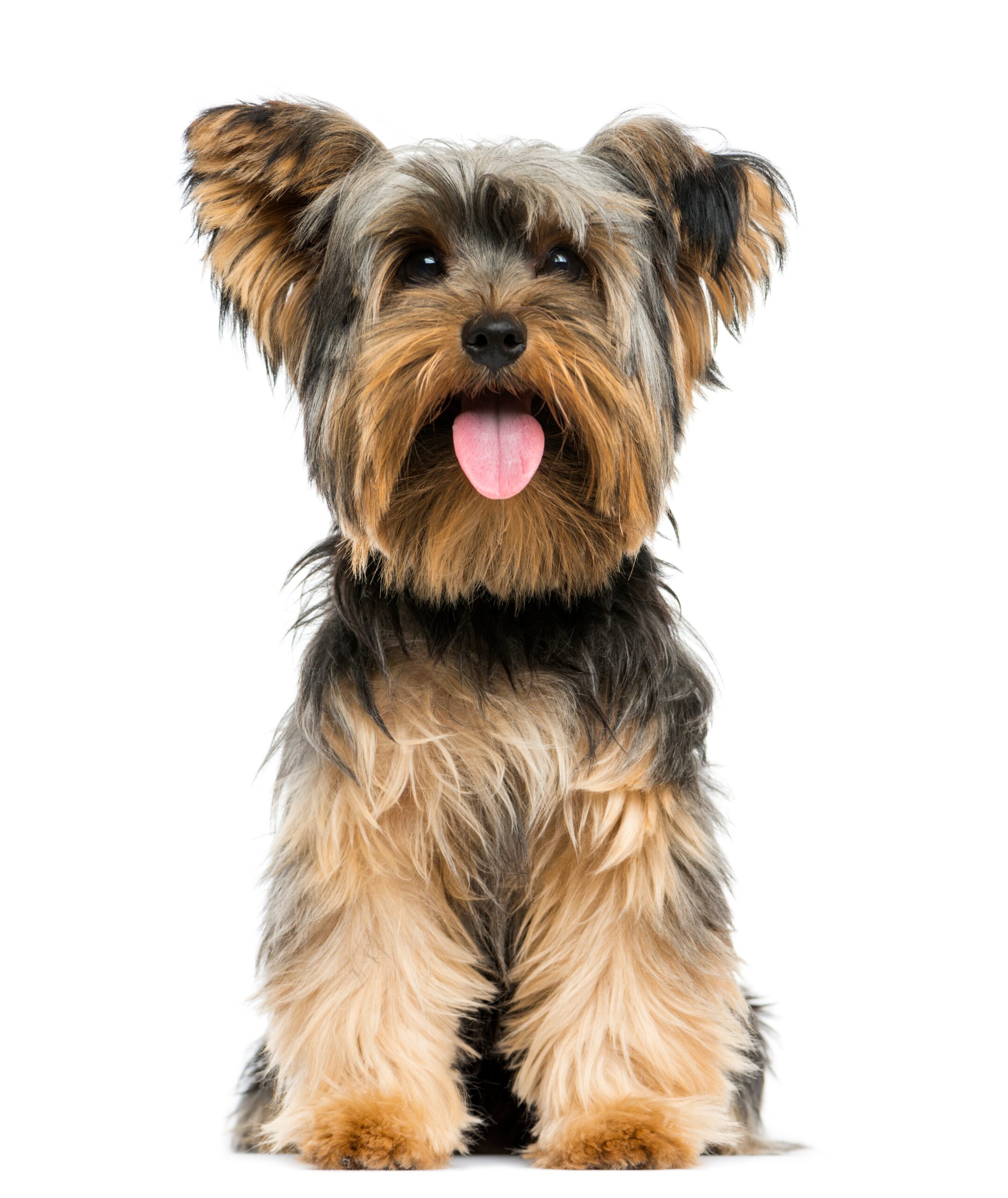
Teacup Yorkies
Teacup Yorkies have a single coat of fine, silky hair that grows continuously. Daily brushing is essential to prevent painful mats.
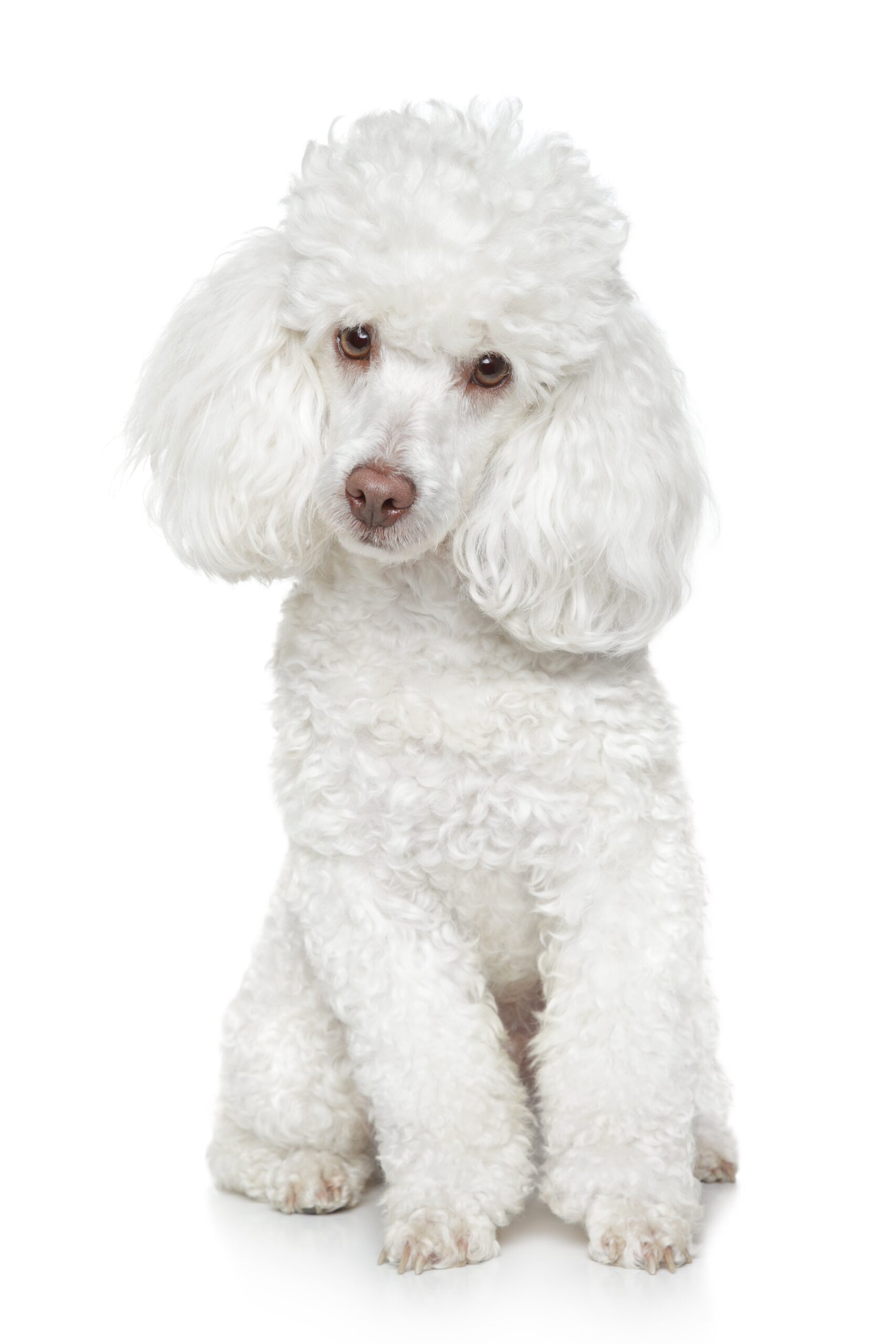
Toy Poodles
Toy Poodles have a dense, curly coat that is hypoallergenic but requires regular maintenance to prevent matting.
Chihuahuas
Chihuahuas have two coat varieties. Smooth coats are low-maintenance; long coats need regular brushing.
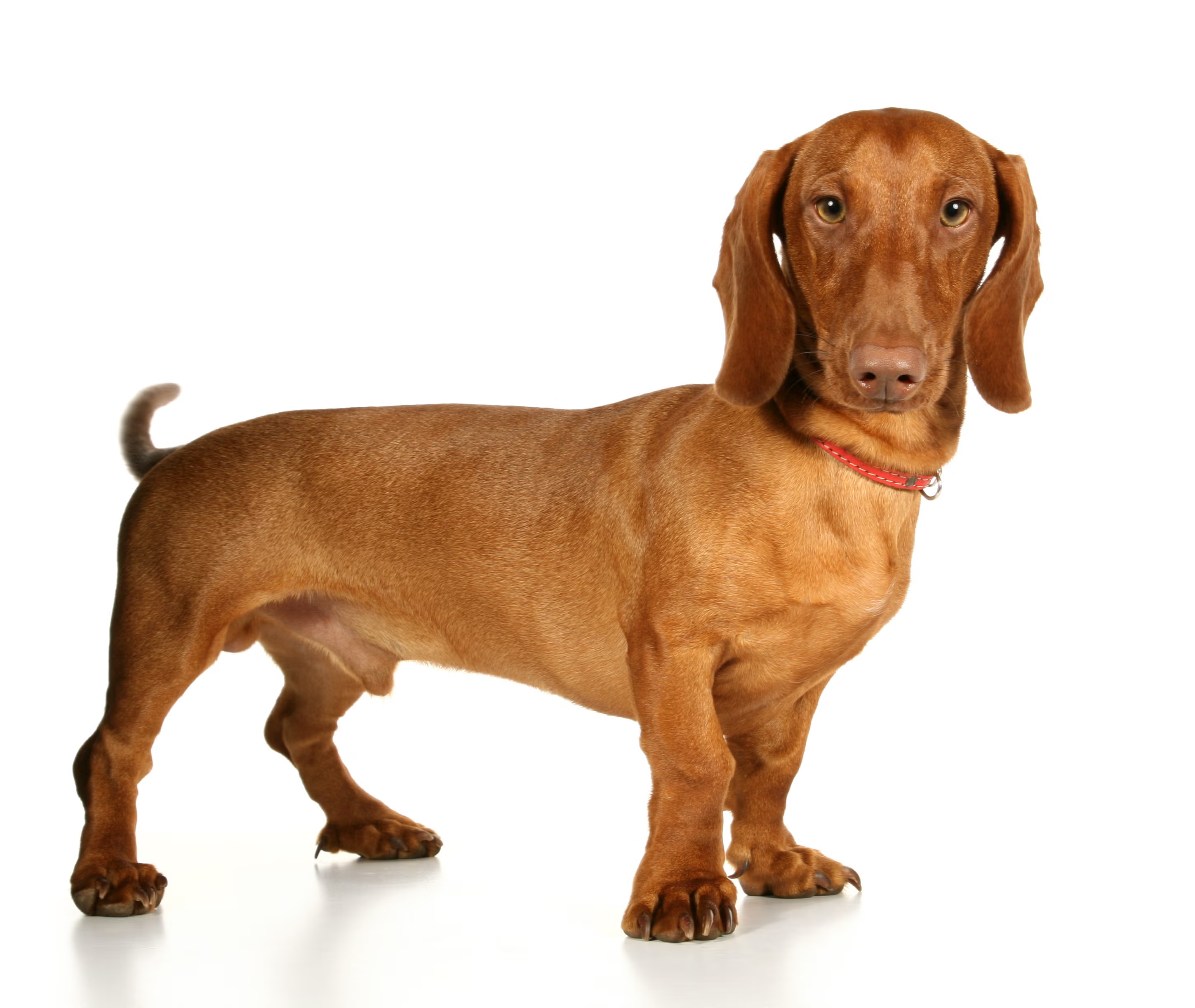
Dachshunds
Dachshunds have three coat varieties. Smooth coats are low-maintenance; longhaired and wirehaired need more attention.
How Often Should You Groom Your Small Breed Puppy?
A quick reference guide for grooming frequency based on coat type.
| Grooming Task | Frequency |
|---|---|
| Brushing | Daily (long coats) or 2-3 times per week |
| Bathing | Every 1-4 weeks (depending on coat type) |
| Nail Trimming | Every 3-4 weeks |
| Ear Cleaning | Weekly |
| Dental Care | Daily brushing |
| Professional Grooming | Every 4-6 weeks |
💡 Important: Every puppy is different. Adjust frequency based on your puppy's coat type, lifestyle, and individual needs.
Common Grooming Mistakes
Avoid these common mistakes to keep your puppy comfortable and healthy.
✅ What to Do
- Brush daily (for long coats)
- Mist coat before brushing
- Use the right tools for your breed
- Brush before bathing
- Gently work knots from the bottom
- Professional groom every 4-6 weeks
- Start grooming early (12-16 weeks)
- Use positive reinforcement
❌ What NOT to Do
- Brush dry coat
- Skip daily brushing
- Use wrong tools for your breed
- Bathe without brushing first
- Rip through tangles
- Wait too long between grooms
- Cut hair too short
- Force grooming if scared
Puppy Grooming Checklist
Use this checklist to stay on track with your puppy's grooming routine.
Frequently Asked Questions
Ready to Welcome Your Puppy?
Now that you understand the puppy grooming basics, are you ready to welcome a new companion from Maryland Pocket Puppies? We serve families throughout Maryland, including Baltimore, Annapolis, Bethesda, Silver Spring, Rockville, Columbia, Frederick, and Gaithersburg. Our puppies are raised with love, vet-checked, health-guaranteed, and backed by a 10-year health guarantee.
Have Questions About Grooming?
Reach out to our team for guidance and support. We're here to help you and your puppy thrive.
📧 Contact Maryland Pocket Puppies